Shared living means sharing a home with other participants who have their own support needs. It works when the workers know everyone in the house, routines are respected, and the everyday stuff meals, cleaning, personal care actually gets done without someone having to chase it.
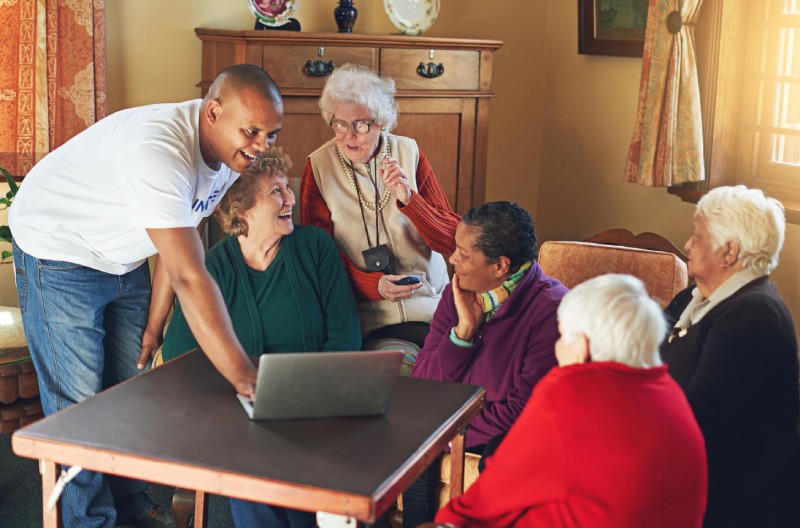
Workers support the daily routines that keep a shared household running. The aim is a home that works for everyone living in it — not a facility with rules, but a house with people.

Planning meals, shopping for groceries, cooking, and cleaning up. Workers follow dietary needs and preferences for each person in the house without turning dinner into a production.
Cleaning, laundry, bins, tidying shared spaces. A consistent roster so things actually get done and nobody is left picking up after everyone else.
Help with getting up, showering, dressing, medication, and settling in for the night. Workers who know your routine and don’t need to be walked through it every time.
Active overnight or sleepover shifts where the plan funds it. A worker on site for participants who need support outside standard hours.
Coordinating between housemates so the house runs smoothly. Managing rosters, resolving day-to-day friction, keeping shared spaces liveable for everyone.
Helping residents get to appointments, activities, shopping, and social outings. The house is a base, not a boundary.
Daily tasks and shared living support is for NDIS participants who live in shared accommodation and need worker assistance with the routines that make a household function.
Participants living in SIL or SDA properties who need consistent daily support across personal care, meals, and household tasks.
Younger adults moving out of the family home into supported shared living for the first time.
Participants whose disability means they need a worker present for most daily routines, including overnight.
People leaving hospital, rehab, or institutional settings who need a supported home environment to move into.

Four things that aren’t industry standard but should be.
Two or three regulars per participant — not a different person every visit.
Real people on the line, not call queues or IVR menus.
Workers based in the regions we serve — not interstate.
If we’re not right for you, we’ll say so up front.
Personal care is one-on-one support for individual daily routines — showering, dressing, medication. SIL (Shared Independent Living) covers the broader household support across a shared home: meals, cleaning, household management, plus the personal care elements. You can have both, depending on how your plan is structured.
Seareal doesn’t operate group homes or place participants into housing. We provide the support workers for shared living arrangements. If you’re looking for a shared living vacancy, your support coordinator or housing provider can help match you with compatible housemates.
We roster consistent workers across the household so there’s continuity for everyone. Workers learn each resident’s preferences and routines. Shift handovers are documented so nothing falls through when workers change over.
That’s the idea. Shared living doesn’t mean everyone eats at the same time or goes to bed at the same hour. Workers support each person’s preferences within the practical realities of sharing a house.
Workers are trained to manage household dynamics respectfully. If something more serious comes up, our coordination team gets involved. The aim is always to sort things out before they escalate.
Supported Independent Living is available across all five Queensland regions we serve:
No pressure, no sales pitch. Just an honest discussion about what you need and whether we're the right fit.